



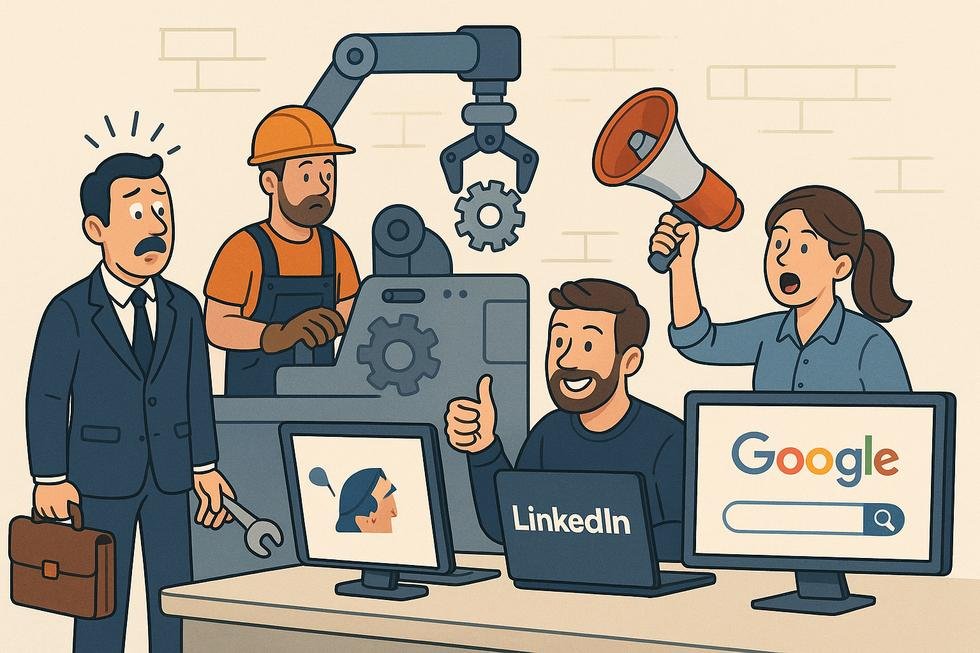
Digital marketing for manufacturing companies might sound as exciting as watching paint dry on an assembly line, but stick with me. Mastering digital marketing in the industrial sector isn’t just for trendy startups or fashion brands anymore. Manufacturing firms are finally stepping into the digital spotlight, transforming how they sell complex machinery and big-ticket parts.
Today’s buyers aren’t grabbing brochures at trade shows or picking up the phone without research. Instead, they’re diving into Google searches, browsing LinkedIn, and consuming blogs as if their livelihoods depend on it—because they do. If your manufacturing company isn’t investing in targeted digital marketing, you’re basically sending smoke signals in a WiFi café.
Manufacturing sales cycles resemble marathon hurdles, involving multiple decision-makers, intricate technical specifications, and zero impulsiveness. You’re pitching to engineers, procurement specialists, and operations leaders who demand facts, reliability, and real proof of expertise.
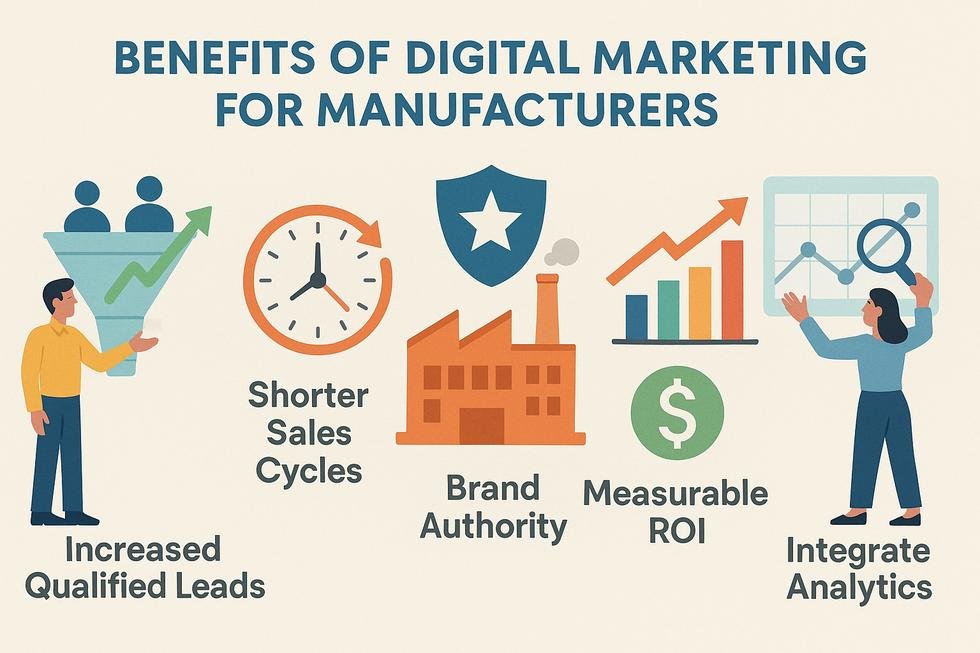
Strategic digital marketing helps you:
Companies embracing digital marketing consistently generate more qualified leads and convert prospects faster than those relying on traditional outreach like cold calls or print ads.
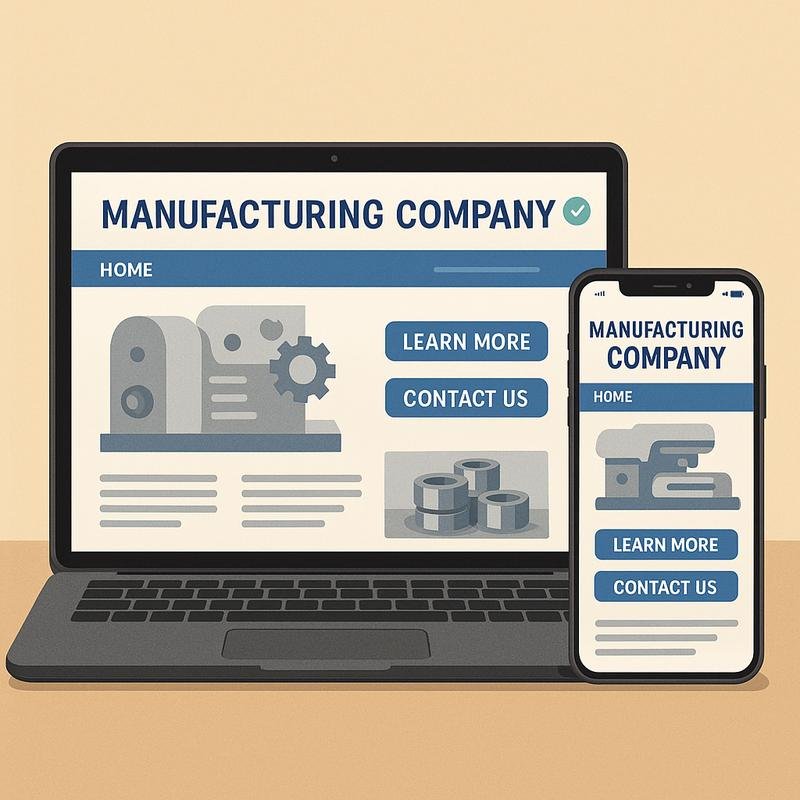
A slow, confusing website filled with jargon will drive potential clients away. Ensure your site is:
Your website should project professionalism while remaining accessible—not stiff or overly technical.
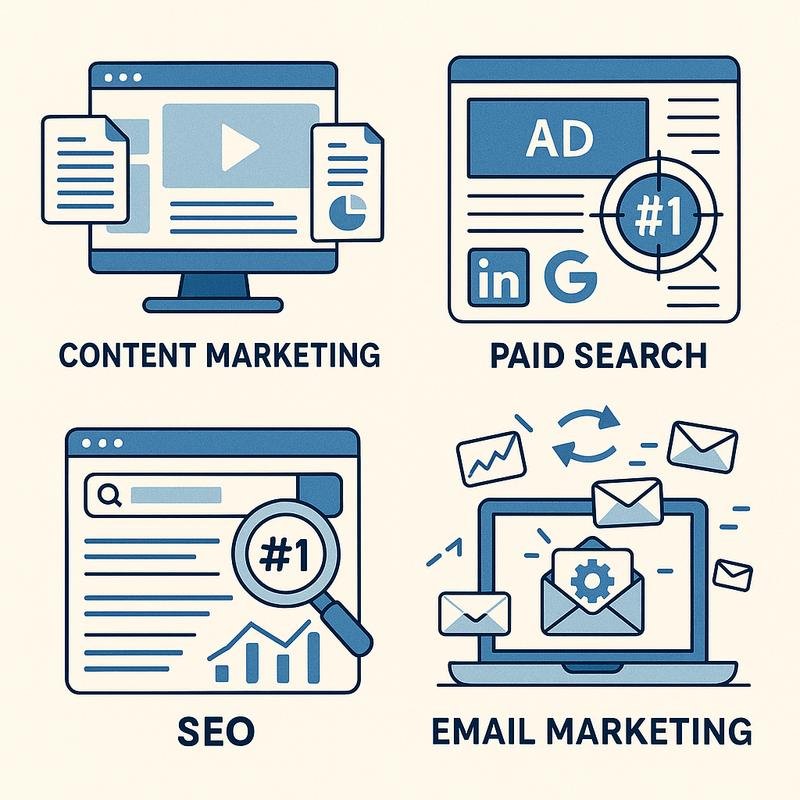
Content marketing isn’t just for lifestyle brands. In manufacturing, blogs, whitepapers, case studies, and explainer videos empower your buyers by answering complex questions and demonstrating your expertise.
Think of your brand as the trusted professor guiding buyers through the complexities of industrial machinery investments.
Don’t waste budget on broad campaigns. Platforms like LinkedIn and Google Ads enable precise targeting based on job roles, industries, and locations—reaching:
This targeted approach connects you directly to decision-makers ready to engage.
If your manufacturing website isn’t on page one of search results, do you really exist online? Effective SEO ensures your content ranks for industry-relevant technical terms, helping buyers find you organically.
Regularly updated blogs add fresh content for search engines and position your company as a go-to authority in niche industrial topics with high buyer intent.
Industrial equipment isn’t an impulse buy—it’s more like dating before saying “I do.” Automated email campaigns nurture leads with personalized, informative messages that keep your brand top of mind without overwhelming prospects.
Manufacturing professionals use LinkedIn as their digital water cooler. Share product successes, customer stories, and industry insights to engage your community and foster trust.
Digital marketing lets you track website traffic, conversion rates, ad effectiveness, and email engagement in real-time. Use these insights to fine-tune your strategy, focusing budgets where they yield the best ROI.
Leading manufacturers like Volkswagen and Tesla have harnessed digital marketing to build massive digital followings and convert that engagement into revenue. The digital age is here—don’t get left behind.
Digital marketing might seem complex, but for manufacturers willing to embrace it, it’s the key to staying competitive and growing sales in today’s industrial marketplace. Combine education, precise targeting, and data-driven optimization, and you’ll become the manufacturer everyone trusts—with the leads, sales, and digital swagger to prove it.
Still here? You’re officially our favorite reader. And yes, this strategic insight is definitely worth remembering.